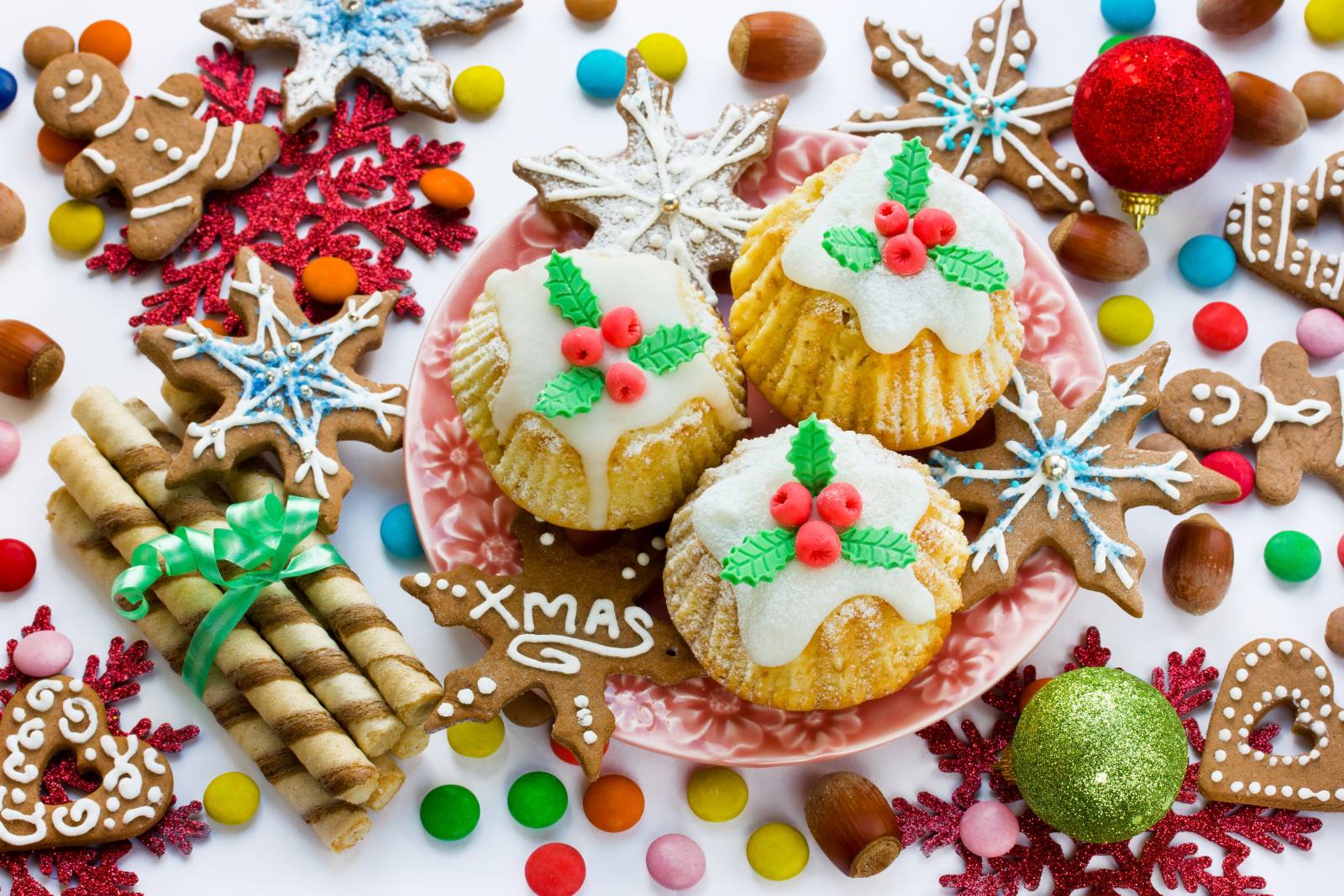
December in West Michigan brings magical events like Holland’s Parade of Lights, Magic at the Mill at DeZwaan windmill, and Grandville’s Christmas at the Commons. These celebrations fill the season with lights, music, and community spirit. They also fill the season with candy canes, holiday cookies, fudge, chocolates, and countless other treats that show up at every gathering from early December through New Year’s Day.
For families with a child in orthodontic treatment, the constant presence of holiday sweets creates a month-long navigation challenge. Dr. Porto works with families at our Grandville and Holland locations to help kids enjoy Christmas traditions without compromising their orthodontic progress. The key is knowing which treats are safe, which ones require caution, and which ones need to stay off-limits entirely.
The Christmas Candy Hierarchy
Not all holiday treats pose equal risk to braces. Understanding the hierarchy helps your child make smart choices when faced with dessert tables at holiday parties or treat boxes from relatives.
Safe Christmas Treats
These treats can be enjoyed without significant bracket risk, assuming your child eats carefully and brushes afterward.
Chocolate is your friend. Plain milk chocolate, dark chocolate, and chocolate bars without hard or sticky additions are safe for braces. Chocolate melts at body temperature, which means it doesn’t stick aggressively to brackets the way caramel or taffy does. Hershey’s Kisses, chocolate Santas, chocolate coins, and similar simple chocolates are all fine.
Peppermint bark (with caveats) can work if it’s thin and breaks easily. The chocolate layer is safe, and peppermint pieces mixed into chocolate typically aren’t hard enough to cause problems. However, thick peppermint bark with large candy cane chunks can be too hard. If it requires significant force to bite through, it’s too risky.
Soft cookies are generally safe. Sugar cookies, chocolate chip cookies (without nuts), and most drop cookies work fine. The key word is soft—cookies should yield easily when you bite them, not require crunching or hard chewing.
Fudge is usually safe because it’s soft and doesn’t require aggressive chewing. Plain chocolate fudge, peanut butter fudge, and similar varieties work well. Watch out for fudge with nuts, which moves it into the caution category.
Brownies without nuts are perfectly safe and satisfy chocolate cravings without bracket risk.
Hot chocolate and Christmas-themed drinks are obviously safe for braces, though watch the sugar content and encourage brushing after consumption.
Proceed with Caution
These treats aren’t automatically off-limits, but they require awareness and careful eating.
Candy canes present an interesting challenge. The traditional way to eat a candy cane—sucking on it slowly—is actually safe for braces. The problem arises when kids bite and crunch candy canes, which can break brackets. If your child has the patience to let candy canes dissolve slowly without biting, they’re fine. If your child tends to crunch hard candy, candy canes should be avoided.
Gingerbread cookies vary wildly in hardness. Soft, cake-like gingerbread is fine. Hard gingerbread that requires significant chewing or crunching is too risky. Check the texture before your child eats gingerbread—if it feels rock-hard, skip it.
Chocolate-covered pretzels can work if the pretzels are thin and not overly hard. Thick, hard pretzels covered in chocolate pose bracket risk. Thin pretzel rods that break easily are safer.
Peanut butter cups and similar candies are generally fine, but some varieties can be sticky. Regular Reese’s cups are usually safe. Reese’s Sticks or other variations with wafer layers need more caution.
Soft caramels might seem safe because they’re called “soft,” but they’re still sticky and can pull brackets off. If your child insists on trying caramel, it should be eaten in tiny pieces with extreme caution, but honestly, it’s better to skip it entirely.
Absolutely Off-Limits
These treats are bracket-breakers and should be avoided completely during orthodontic treatment.
Hard candies of all types are problematic. Peppermints, butterscotch, Jolly Ranchers, Life Savers, and similar hard candies all pose risks. Even if your child intends to let them dissolve slowly, the temptation to bite down is strong, and one wrong bite can crack a bracket.
Sticky, chewy candies are terrible for braces. Caramels, taffy, Tootsie Rolls, Starburst, gummy candies, and anything that sticks to teeth will pull brackets right off. The holiday versions of these candies—Christmas-themed gummies or caramel-filled chocolates—are just as problematic as their year-round counterparts.
Toffee and English toffee combine the worst of both worlds: they’re hard and sticky. These are among the most dangerous candies for braces and should be completely avoided.
Popcorn balls, which sometimes appear as Christmas treats, are disasters for braces. Hard kernels plus sticky coating equals broken brackets and emergency orthodontic visits.
Nutty treats should be approached with extreme caution or avoided entirely. Pecan logs, mixed nuts, chocolate-covered almonds, peanut brittle, and similar nut-based treats can break brackets. Even chocolate with whole nuts mixed in poses risks.
Candy apples and caramel apples show up at some winter festivals and holiday markets. Both are terrible for braces—hard apples plus hard candy coating or sticky caramel is a recipe for orthodontic emergencies.
Holiday Baking Safety
Many families bake Christmas cookies, cakes, and other treats together during December. When your family is baking, you can control ingredients and textures to make treats braces-friendly.
Modifications that help:
Skip nuts in recipes. Chocolate chip cookies without walnuts taste just as good and are safer for braces. Brownies without pecans are still delicious.
Make cookies softer by slightly underbaking them. Nobody with braces wants a hard, crunchy cookie. Soft, chewy cookies are both safer and more enjoyable.
Choose frosting over hard icing. Royal icing and hard decorative icing can be too hard for braces. Buttercream frosting or cream cheese frosting is softer and safer.
Avoid rock-hard gingerbread. If you’re making gingerbread houses, make a separate batch of softer gingerbread cookies for eating.
The Holiday Party Circuit
December brings seemingly endless parties: school parties, office parties kids attend with parents, church gatherings, neighborhood get-togethers, and family celebrations. Each party presents a dessert table full of temptations.
Strategies for navigating party treats:
Have your child eat a small meal before parties so they’re not starving and tempted to grab the first thing they see without thinking about whether it’s safe.
Scan the entire dessert table before taking anything. This prevents your child from loading their plate with unsafe items just because those were the first things they saw.
Choose chocolate-based treats as the safest bet. When in doubt, chocolate usually works.
It’s okay to ask hosts what’s in specific treats. “Does this fudge have nuts?” is a perfectly reasonable question.
Bring a braces-friendly treat to contribute. This ensures there’s at least one option your child can definitely eat.
The Christmas Eve and Christmas Day Reality
Christmas Eve and Christmas Day often involve multiple meals at different locations. Breakfast at home, lunch at Grandma’s house, dinner at Aunt Sarah’s house, plus endless snacking in between. This constant food exposure creates challenges for kids with braces.
Managing the marathon eating days:
Encourage water rinsing between eating episodes. Your child can’t realistically brush after every snack, but swishing with water helps clear food particles.
Schedule dedicated brushing times. Even if the day is chaotic, brushing after the main Christmas meal and again before bed is non-negotiable.
Keep the travel orthodontic kit accessible throughout the day. If your child needs to apply wax or feels something stuck in their braces, supplies should be within reach.
The Stocking Problem
Christmas stockings often contain candy and small treats. This is a tradition in many families, and you don’t need to eliminate it entirely just because your child has braces.
Stocking stuffers that work for braces:
- Individually wrapped chocolates
- Chocolate coins
- Soft cookies in packages
- Hot chocolate packets
- Gift cards to favorite stores or restaurants
- Small toys or games
- Lip balm or other non-food items
- Money
Stocking stuffers to skip:
- Candy canes (unless your child reliably doesn’t bite them)
- Hard candies of any type
- Caramels or taffy
- Gum
- Nut-based candies
Some families transition to mostly non-food stockings during orthodontic treatment years. Small gifts, fun socks, school supplies, and similar items fill stockings without creating bracket risks.
Downtown Holland and Grandville Events
When attending Magic at the Mill during the first three weekends of December or browsing Kerstmarkt in downtown Holland, food vendors offer treats like stroopwafels, hot chocolate, and various baked goods. Most of these are safe for braces if eaten carefully.
Stroopwafels (Dutch caramel waffle cookies) are softer when warm and generally safe for braces. The caramel layer is thin enough that it doesn’t pose the same risk as thick caramel candies. Your child should still eat carefully and brush soon after.
At Christmas at the Commons in Grandville on December 6th or the Parade of Lights in Holland on December 2nd, vendors often sell hot chocolate and soft pretzels, both of which are fine for braces.
The key at these events is avoiding impulse purchases of treats your child doesn’t recognize. If you’re not sure whether something is safe, either ask the vendor about ingredients and texture, or skip it in favor of something you know is safe.
When Relatives Don’t Understand
Well-meaning grandparents, aunts, uncles, and family friends often give kids candy and treats during the holidays without considering orthodontic restrictions. They might offer your child a tin of assorted chocolates that includes caramels and nuts, or gift a box of hard candies, or insist that “just one piece won’t hurt.”
Handling these situations:
Brief relatives before holiday gatherings about what your child can and cannot eat. A quick message or phone call prevents awkward moments where your child has to refuse gifts.
Teach your child polite ways to decline unsafe treats. “Thank you so much, but I can’t eat that with my braces. Can I trade you for something else?” usually works well.
Accept that some relatives won’t get it, and that’s okay. Your child can thank them graciously, bring the treat home, and trade it with siblings or save it for after braces come off.
Don’t make a huge scene about unsafe treats. A quiet word with your child about what’s safe from a gift basket is better than publicly criticizing a gift-giver’s choices.
The Week Between Christmas and New Year’s
The week between Christmas and New Year’s often feels like one long sugar binge. Leftover Christmas cookies, candy from stockings, treats from parties, and New Year’s Eve sweets create constant temptation.
Set limits on daily treat consumption during this week. Maybe your child can have two pieces of candy after lunch and two after dinner, or whatever amount makes sense for your family. Unlimited access to Christmas candy all week long is bad for both braces and overall dental health.
Encourage your child to be selective. They don’t need to eat every treat they received. Choose favorites and skip the rest.
Consider a candy buyback or donation program. Some families let kids “sell” candy back to parents for small amounts of money. Others donate excess candy to organizations that send treats to military members.
Emergency Preparedness During Holiday Closure
Our Grandville and Holland offices are closed December 24th-25th (Christmas Eve and Christmas Day) and December 31st-January 1st (New Year’s Eve and New Year’s Day).
If a bracket breaks or a wire comes loose during these closures, the emergency line remains available for truly urgent situations. However, most holiday bracket breaks aren’t emergencies and can be managed with orthodontic wax until offices reopen.
Stock up on orthodontic wax before the holidays. If your child has been going through wax quickly, get extra packs so you don’t run out during office closures.
The New Year Reset
By the time New Year’s Day arrives, your child will have spent a month navigating holiday treats. Some days will have gone perfectly. Other days might have involved eating something questionable or skipping proper brushing due to holiday chaos.
January 1st is a natural reset point. Schedule a thorough brush and floss session to start the new year fresh. Restock any depleted orthodontic supplies. If any brackets broke during December festivities, call our office first thing in January to schedule repairs.
Use the new year as motivation to refocus on orthodontic care. Holiday indulgence is fine in moderation, but January means getting back to consistent routines that keep treatment progressing.
The Perspective Parents Need
December is one month. Orthodontic treatment typically lasts 18-24 months. Yes, this December involves restrictions your child might find disappointing. But next December might look completely different if treatment is finishing or already complete.
Most kids handle holiday treat restrictions better than parents expect. They understand that braces are temporary and that missing out on certain candies this year isn’t a tragedy. When parents stay calm and matter-of-fact about what’s safe and what’s not, kids generally follow those guidelines without much drama.
The goal isn’t to eliminate all Christmas joy or pretend holiday treats don’t exist. The goal is helping your child navigate December successfully while enjoying the season and keeping their orthodontic treatment on track.
Questions about specific Christmas treats and braces safety? Need to schedule a post-holiday bracket repair? Contact Enjoy Orthodontics in Grandville or Holland. We’re here to help your family enjoy the holidays while protecting your investment in a beautiful smile.