Thanksgiving dinner is supposed to be about gratitude and family, not about a teenager sitting at the table worried about breaking a bracket. If someone in your household is in orthodontic treatment, a little menu planning makes the holiday less stressful for everyone. Whether you’re cooking at home in Grandville or Holland, attending the Great Thanksgiving Banquet at Hope College, or heading to a relative’s house for dinner, knowing which traditional dishes are safe for braces helps your child enjoy the meal without anxiety.
Dr. Porto sees a predictable pattern every year at our Grandville and Holland locations. The week before Thanksgiving, parents call with questions about specific dishes. The week after Thanksgiving, some families call with broken brackets from foods they thought were safe but turned out to be problematic. This guide aims to answer those questions before the holiday so everyone can enjoy their meal worry-free.
The Safe Thanksgiving Staples
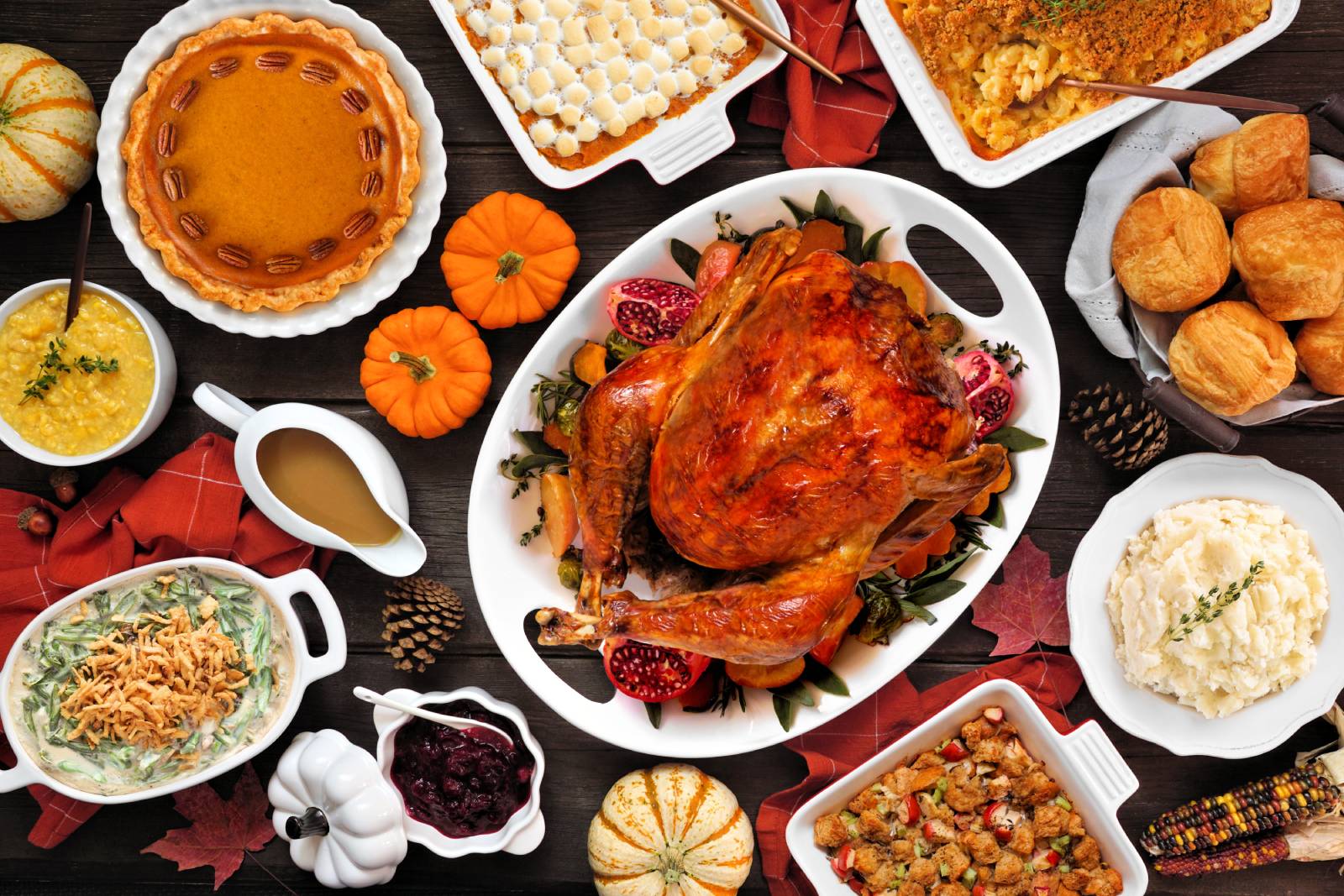
Most traditional Thanksgiving foods are actually perfectly safe for braces. This might surprise families who assume the holiday will be full of restrictions, but the reality is that most of what appears on a typical Thanksgiving table works fine for orthodontic patients.
Turkey is the star of the meal and completely safe as long as it’s properly cooked. Moist, tender turkey—whether white meat or dark meat—is easy to chew and won’t cause bracket problems. The key word here is moist. Overcooked, dry turkey requires more aggressive chewing and can be uncomfortable for anyone with braces, though it’s unlikely to actually damage anything.
If you’re cooking the turkey, consider brining it or using a cooking method that keeps it juicy. Nobody wants to gnaw on tough, dry poultry, but especially not someone with braces. Slicing turkey into smaller pieces also helps, particularly for younger children who might struggle with cutting large portions.
Mashed potatoes are ideal for braces. Smooth, soft, and requiring minimal chewing, they’re comfort food in the best possible way. Whether you prefer them lumpy or whipped smooth, loaded with butter and cream or kept simple, they’re safe. Sweet potato casseroles fall into this category, too, as long as they don’t have crunchy toppings.
Stuffing is generally safe, with one important caveat: check for hard ingredients. Traditional bread stuffing made with soft bread cubes, celery, onions, and herbs works fine. Stuffing that includes nuts, dried cranberries that are particularly hard, or large chunks of crusty bread needs more caution. The base stuffing is fine, but your child might need to eat around certain add-ins.
Gravy is obviously safe and makes everything else easier to eat. Encourage generous gravy use on turkey and mashed potatoes.
Cranberry sauce, whether jellied from a can or homemade, is soft and safe. Some families serve whole cranberry sauce with intact berries, which is also fine as long as the berries are cooked soft rather than hard and raw.
Green bean casserole is safe if it doesn’t have crunchy fried onions on top. The green beans themselves, cooked soft in cream sauce, are perfectly fine. Those crispy onion toppings that many families consider essential, however, are hard and can damage brackets. Your child can eat the casserole from beneath the topping layer, or you can serve them a portion before adding the crunchy topping.
Dinner rolls are safe if they’re soft. Fresh, warm rolls from the oven that yield easily when squeezed are fine. Hard, crusty rolls or bread with tough crusts should be avoided or the crust should be removed before eating.
The Dessert Situation
Thanksgiving desserts present more challenges than the main meal, but options exist for kids with braces.
Pumpkin pie is generally safe. The filling is soft and creamy, and most pie crusts, while flaky, aren’t hard enough to cause problems. Your child should eat carefully and chew slowly, but pumpkin pie typically doesn’t cause bracket issues.
Apple pie is trickier. The apples themselves can be quite firm depending on how they’re cooked, and double-crust apple pies often have hard top crusts. If you’re serving apple pie, consider giving your child a piece with mostly filling and minimal crust, or opt for a different dessert entirely.
Pecan pie is off-limits. The combination of nuts and sticky, hard filling is exactly what orthodontists warn about. There’s no safe way to eat pecan pie with braces. If your family traditionally serves pecan pie and your child is disappointed about missing it, consider making a small batch of chocolate cream pie or another soft alternative specifically for them.
Cookies depend entirely on what type. Soft sugar cookies or chocolate chip cookies work fine. Hard gingerbread cookies or biscotti-style cookies are too hard and risk bracket damage.
Ice cream is perfectly safe and actually feels good on teeth that might be slightly sore. If your family does pie à la mode, that works well for kids with braces.
The Foods to Definitely Avoid
Some Thanksgiving dishes and snacks are definite no-gos for anyone in orthodontic treatment.
Nuts of any kind are problematic. This includes whole nuts served as appetizers, candied nuts in salads, pecans on sweet potato casserole, and nut-based desserts. Nuts are hard enough to break brackets and tend to get stuck in hard-to-clean places around orthodontic hardware.
Hard, crusty bread should be avoided or modified. If the bread is hard enough that you need to tear it with force, it’s too hard for braces. Remove crusts or stick to softer bread options.
Caramel-based desserts are sticky nightmares for braces. Caramel apples, caramel candies, and anything else with significant caramel content will pull brackets right off.
Popcorn, which sometimes appears as a pre-dinner snack while people watch football, is terrible for braces. The kernels get stuck everywhere and can break brackets.
Hard raw vegetables from appetizer trays need caution. Raw carrots and celery are too hard and should be avoided. Softer vegetables like cucumber or vegetables with dip are safer options.
Corn on the cob is problematic because of how people eat it. The gnawing motion required to eat corn directly from the cob can damage braces. If your family serves corn, cut the kernels off the cob first, and then your child can eat them safely.
Menu Planning for Hosts
If you’re hosting Thanksgiving dinner and someone at your table has braces, minor adjustments to traditional recipes make the meal more inclusive without changing anything for other guests.
Serve crunchy toppings on the side. Make your green bean casserole without the fried onions on top, then bring the onions to the table in a separate bowl so people can add them to their individual servings. The person with braces can skip them entirely.
Offer both soft and hard rolls. Put out a basket with a variety of bread options so everyone can choose what works for them.
Label dishes with problematic ingredients. If your sweet potato casserole has a pecan topping or your salad includes candied walnuts, a small label or verbal mention helps people with braces know what to avoid.
Have at least one safe dessert option. If your dessert table includes pecan pie and apple pie with hard crust, make sure there’s also something like pumpkin pie or cookies that work for braces.
These adjustments are minor and don’t diminish anyone else’s meal, but they make a significant difference for the person with orthodontic hardware who wants to fully participate in the holiday meal.
Restaurant and Community Meal Considerations
If you’re attending the Great Thanksgiving Banquet at Hope College’s DeVos Fieldhouse on November 26th or eating at a restaurant for Thanksgiving, you have less control over the menu. In these situations, your child needs to make smart choices from available options.
At buffet-style community meals: Focus on the obviously safe items: turkey, mashed potatoes, rolls (if they’re soft), and vegetables that are cooked soft. Avoid anything that looks sticky, hard, or nut-based. It’s okay to skip dishes entirely if you’re not sure whether they’re safe.
At restaurants: Ask questions about how dishes are prepared. Are the vegetables cooked soft or served raw? Does the stuffing contain nuts? Is the bread crusty or soft? Most servers are happy to provide this information.
The Social Aspect
Thanksgiving gatherings often mean extended family and friends asking questions about your child’s braces. Relatives who haven’t seen your child since last Thanksgiving might comment on the orthodontic work or offer foods without realizing they’re not safe for braces.
Prepare your child for these interactions before the gathering. They should have comfortable responses ready:
- “I can’t eat that with braces, but I’d love some of the mashed potatoes.”
- “My orthodontist said no nuts while I’m in treatment, but this looks delicious.”
- “I’m being really careful with my braces, so I’m sticking to softer foods.”
These responses are polite, informative, and shut down further food-pushing from well-meaning relatives who don’t understand orthodontic restrictions.
The Thanksgiving Leftovers Strategy
Thanksgiving leftovers often last for days, which means multiple meals of navigating the same foods. This is actually easier than the main meal because you control portions and preparation.
Making leftovers more braces-friendly:
- Chop turkey into smaller pieces for sandwiches
- Heat up rolls to make them softer
- Remove any crispy toppings from casseroles
- Cut pie slices smaller so each bite is more manageable
Leftovers also provide opportunities to transform foods into safer versions. Turkey sandwiches on soft bread are easier to eat than carved turkey that might have dried out slightly. Stuffing mixed into soup becomes softer and easier to chew.
The Post-Thanksgiving Brushing Requirement
Thanksgiving dinner is often an all-day affair with multiple courses spread over hours. Grazing on appetizers, sitting down for a big meal, then eating dessert an hour later, followed by picking at leftovers throughout the evening, adds up to a lot of food exposure.
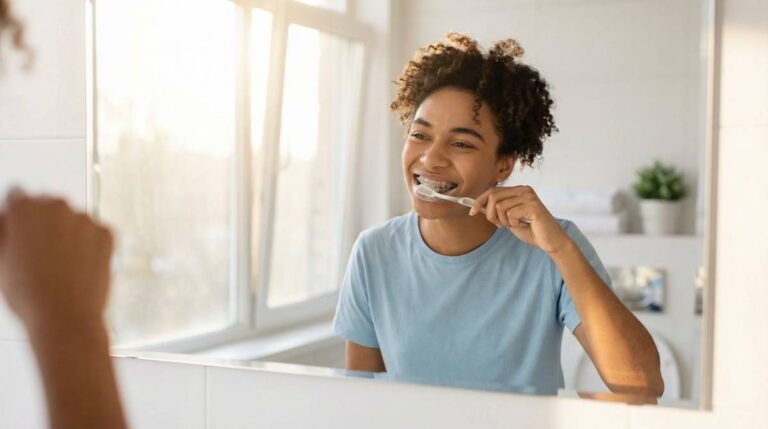
Make brushing and flossing after Thanksgiving dinner non-negotiable. Even though everyone is full and tired, sugar and food particles sitting around brackets overnight create problems. This is especially important if your child ate desserts or foods with higher sugar content.
If you’re at a relative’s house, pack your child’s travel orthodontic kit and have them brush before leaving or immediately upon arriving home. The inconvenience is worth it to protect their smile and treatment progress.
Turkey Trot Mornings
If your family participates in the Holland Turkey Trot 5K or Zeeland Turkey Trot 8K on Thanksgiving morning, think about breakfast timing and choices. Running with a full stomach is uncomfortable, but running on an empty stomach means low energy.
For athletes with braces, a light breakfast of soft foods works well: oatmeal, yogurt, a banana, or a smoothie. These provide energy without requiring extensive chewing or creating lots of food particles that might still be stuck in braces during the race.
After the race, make sure your child drinks water before diving into appetizers or snacks. Hydration helps rinse away anything consumed during the run and prepares their mouth for the bigger meal ahead.
When to Call the Orthodontist
If a bracket breaks or a wire comes loose on Thanksgiving Day, don’t panic. Most orthodontic issues that arise during holiday meals can be managed temporarily with orthodontic wax until our offices reopen.
Our Grandville and Holland locations are closed Thursday, November 27th and Friday, November 28th. The emergency line remains available for urgent situations, but the vast majority of holiday bracket breaks aren’t true emergencies and can wait until Monday.
Apply orthodontic wax to any broken brackets or poking wires to prevent irritation. Give your child pain reliever if needed. Call our office first thing Monday morning to schedule a repair appointment.
The Perspective Talk
Before Thanksgiving dinner, have a conversation with your child about the big picture. Yes, they might miss out on pecan pie or candied nuts this year. But orthodontic treatment is temporary, and these restrictions won’t last forever. Next Thanksgiving might look completely different if treatment is complete or nearly complete.
The goal of Thanksgiving isn’t to eat every single dish on the table. It’s to spend time with family, express gratitude, and enjoy good food—and there’s plenty of good food your child can safely enjoy even with braces.
Most kids are fine with these restrictions when they’re explained clearly and when adults aren’t making a big deal out of it. The teen who understands that sticky pecan pie could mean a month delay in getting their braces off is usually willing to skip it and grab pumpkin pie instead.
Questions about specific Thanksgiving dishes and braces safety? Need to schedule a post-holiday bracket repair? Contact Enjoy Orthodontics in Grandville or Holland. We’re here to help your family navigate the holiday successfully.